Technology powers your business. We power your technology.
Managed IT services, cybersecurity monitoring, and cloud solutions for small and medium businesses across Peterborough, Durham Region, and Northumberland. Trusted since 1983.
Serving 40+ years | Microsoft Partner | Millenium Micro Group Member | N-able Elite Partner







Your Local IT Partner: Not a Faceless Call Centre
Shaw Computer Systems Inc. (shawcsIT) is a locally owned managed IT services provider based in Peterborough, Ontario. For over four decades, we have helped small and medium businesses across Peterborough, the Kawarthas, Durham Region, and Northumberland keep their organization running securely and efficiently.
We are not a remote-only call centre. When you call our office, you reach a real person who knows your business by name. Our team handles everything from day-to-day IT support and cybersecurity monitoring to cloud backup, Microsoft 365 management, and long-term technology planning.
As a member of the Millenium Micro Group, a Canadian network of independent IT providers, we combine the personal attention of a local company with the purchasing power and technical resources of a national organization.
 Martin Boruta
Owner
Martin Boruta
Owner
 Carlye Mongraw
Owner
Carlye Mongraw
Owner
Scalable IT solutions built around your business.
We offer scalable IT solutions designed around your business goals, not the other way around.
What Sets Us Apart
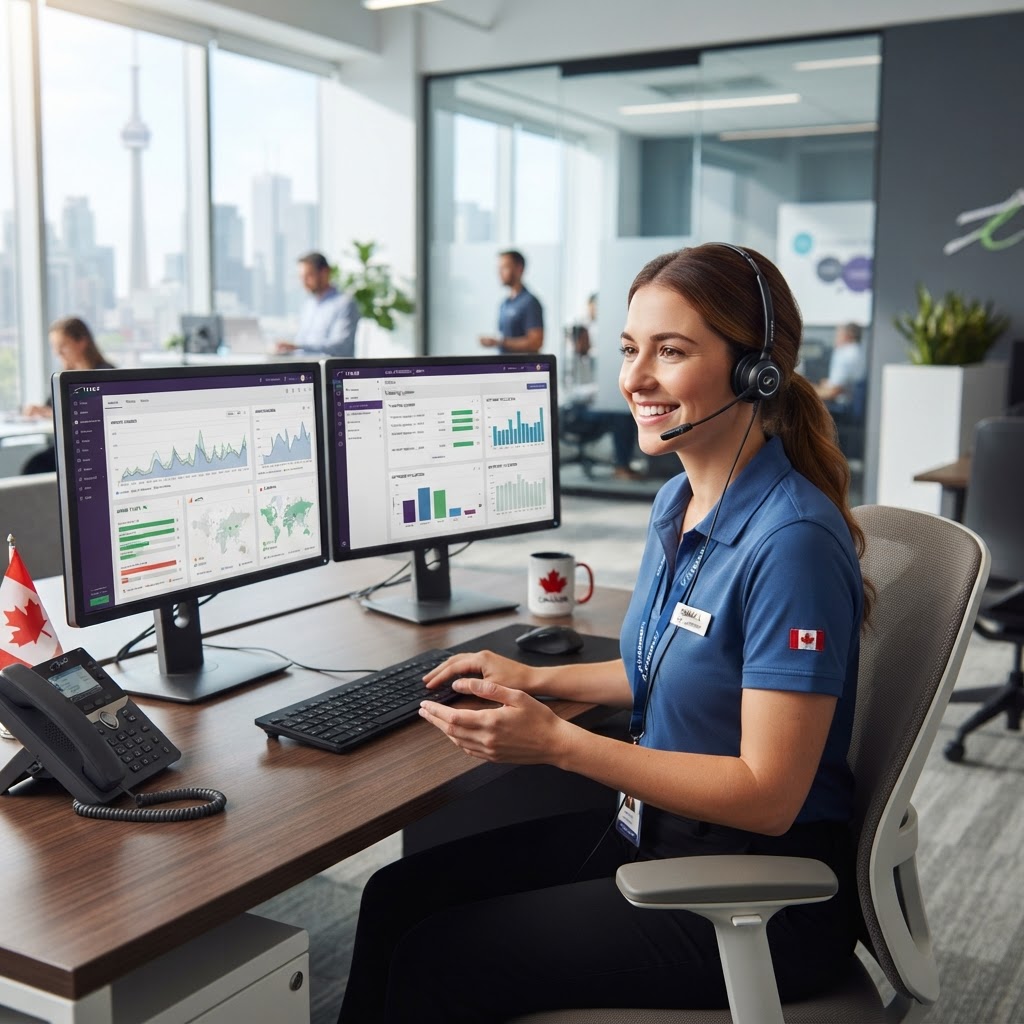
When you call the shawcsIT offices, you reach a person who knows your business by name. Our office is at 236 King Street in Peterborough, and our team regularly visits clients across Durham Region and Northumberland. We are not a remote-only call centre or a Toronto company with a landing page. We live and work in the same communities as our clients.
Where We Work
From our offices in Peterborough and Whitby, we serve businesses across four regions of Ontario.
Industries We Serve
We understand the compliance requirements, operational demands, and technology challenges specific to your industry.






What Our Clients Say
Fairhaven would like to extend our gratitude to Martin, Carlye and their team at Shaw Computer Systems for the continued delivery of outstanding services. The team at Shaw Computer have understood our needs and produced technology solutions for over 25 years. As a business partner, we are very pleased and would highly recommend shawcsIT.

Thanks, Shaw Computer Systems, for the advice and support that you and your excellent staff have given to Brant Office Supply over the past years. It is comforting to know that GREAT help is so close at hand. We look forward to many more years of working together.

Your story could be next.
Join hundreds of Ontario businesses that trust shawcsIT with their technology.
Schedule a ConsultationInsights for Ontario businesses.
Cybersecurity news, IT guides, and technology insights for Ontario businesses.
Choosing the Right MSP: 10 Questions to Ask Before You Sign

Remote Work Security: A Checklist for Hybrid Businesses
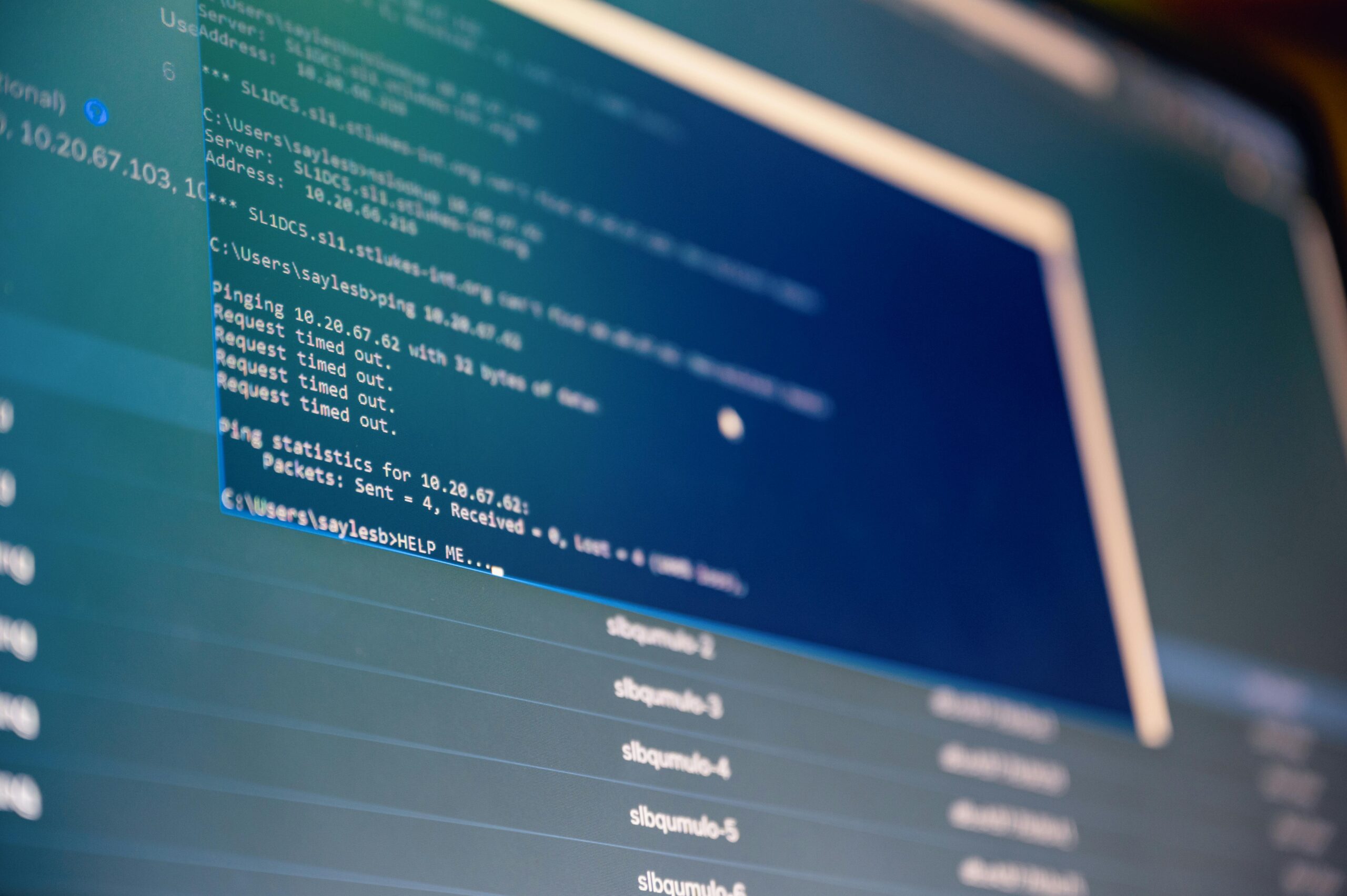
Ransomware Recovery: What Actually Happens in the First 72 Hours
Ready to Simplify Your IT?
Book a free consultation with our team. We will review your current setup, identify gaps, and recommend a plan that fits your budget and your goals.
We respectfully acknowledge that Shaw Computer Systems Inc. (shawcsIT) operates on the treaty and territory of the Mississauga Anishinaabeg, the ancestral territory of the Michi Saagiig and Chippewa Nations, collectively known as the Williams Treaties First Nations, which include: Curve Lake, Hiawatha, Alderville, Scugog Island, Rama, Beausoleil, and Georgina Island First Nations.
Learn more